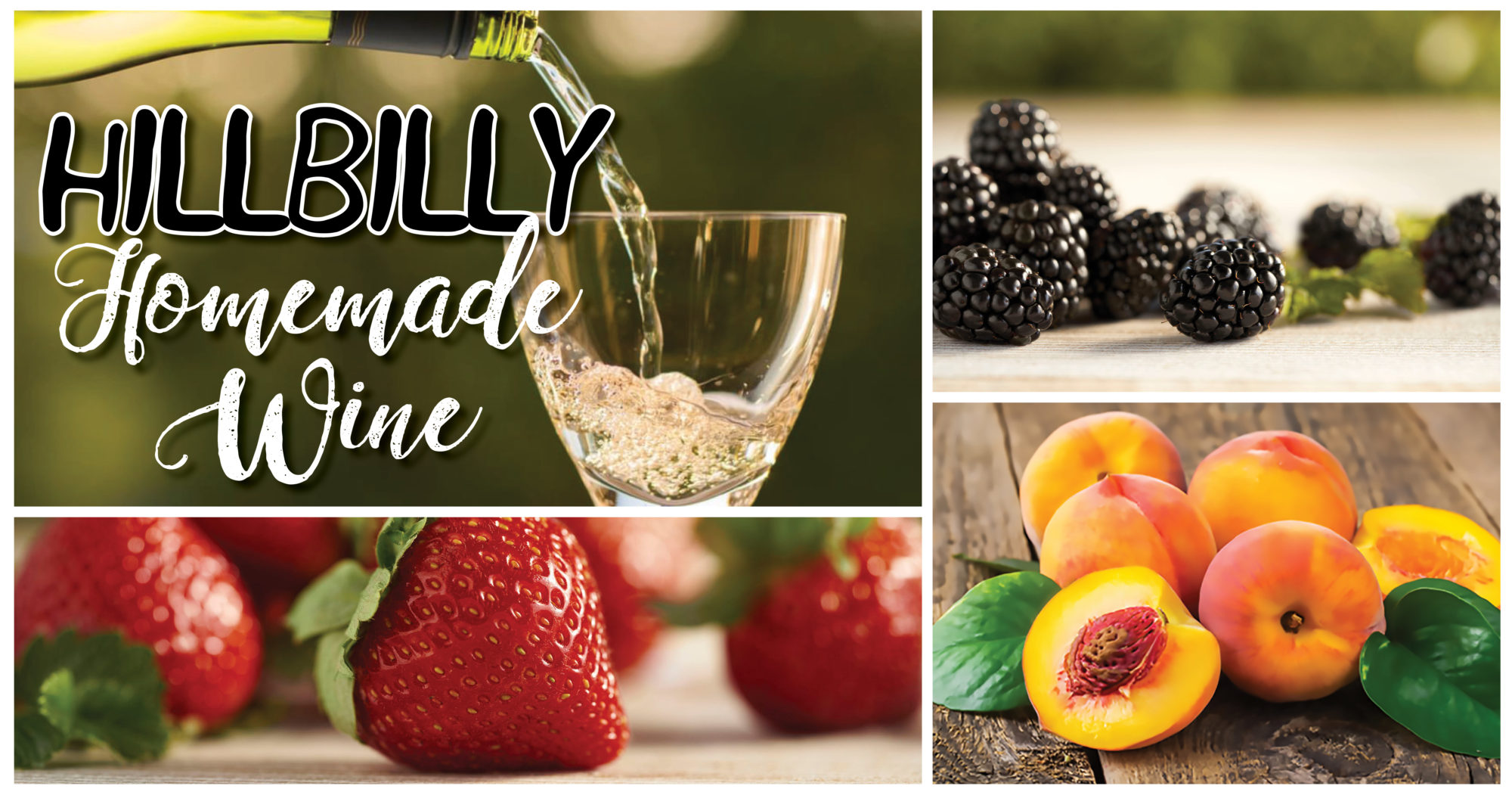
One of the easiest recipes for homemade wine we have come across that is sure to help you enjoy your summer fruit for months to come!
5 Gallon plastic bucket
Potato masher
Clean mesh or cheesecloth bag (optional but makes straining a lot easier)
Fermentation airlock (optional; see below)
Big Pot
Yeast will only consume about 2-1/2 pounds of sugar per gallon of water.
So, any sugar beyond that you add will serve only to sweeten the wine, because
the brew becomes alcoholic enough to kill the yeast, which are living organisms,
at that point. Using four pounds in the recipe above will give you a pretty sweet wine.
If you’re not a fan of sweet wines, try going with only three pounds per gallon or
make two batches and see which you like the best.
For the fruit: I recommend using local, in-season fruits like apples, peaches, strawberries
or black berries or create your own mixture but don’t worry if they’re not totally fresh.
After all, you are fermenting them for two months. Don’t use citrus. It will work, but it
doesn’t produce a very tasty wine.
Once your fruit is clean, crush it up (potato masher comes in handy hear) and mix it in
with your water and sugar in a big pot on low heat.
At the same time, put your yeast into a small dish of lukewarm water to start it reacting. It should
fizz up and smell well, yeasty. If it does, that’s good! Once your fruity concoction is simmering (don’t boil it!)
and the sugar has dissolved and the fruit has broken down a bit, turn it off and let it cool.
Pour your fruit mixture AND the yeast mixture into your fermentation container (i.e. bucket), gently swirling
it to mix everything together. Keep all the fruit solids in your mesh bag, inside the bucket. It’ll make straining easier.
Then, either affix the fermentation lock, or go the cheap way, and get yourself a rubber glove or a piece of a bicycle tube.
Poke a hole in the rubber glove with a needle and affix to the top or seal one end of the tube to the top of the container
and place the other end in a container with water. That way, gas can escape, but no pathogens can get in. If the yeast is working,
bubbles should soon start to form and rise up in your murky 'wine must'—the term for the pre-fermentation juice.
The rubber glove should stand up on its own as the gas spills out.
Store your wine in a cool, low light area.
After about a week, you can check the wine. It should taste mildly alcoholic and very sweet at this stage. Don’t get excited
and drink too much, because it can give you a tummy-ache. (Like real wine can’t.) In about two months, it should be ready.
Strain it out, put it in some recycled wine bottles, and go wild. Have a hillbilly wine party, invite your friends, and impress
them with your wine’s ability to cause hillbilly hangovers!